What happens when the safest route across a site is the one nobody takes? Or when a rescue plan names the right procedure, but the person on the ground cannot reach the machine’s controls?
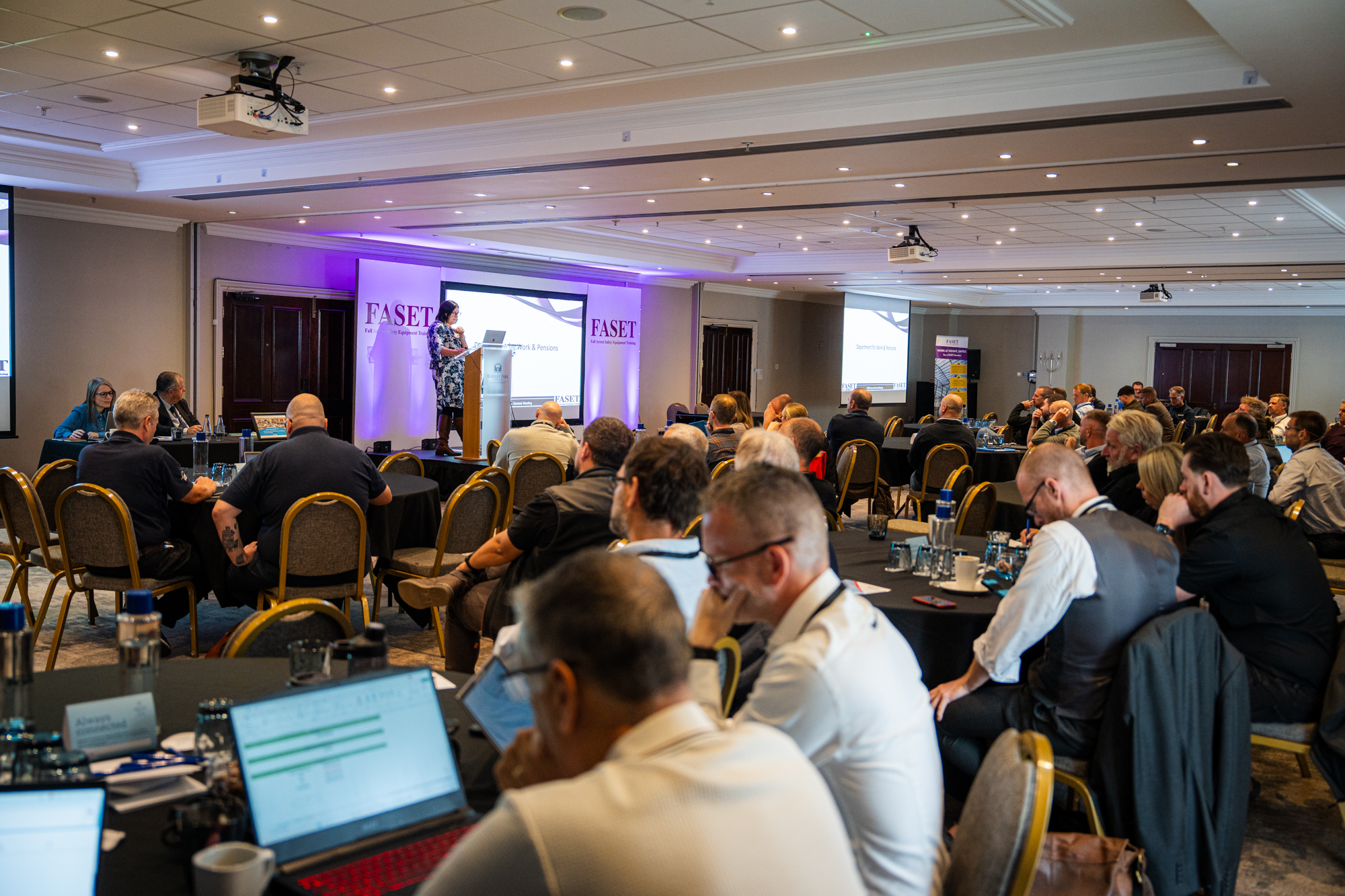
These were the kinds of questions that made FASET’s 2026 AGM more than an annual meeting. Members and industry partners came together in Manchester to look at how safety standards hold up in real working conditions, and what the Association can do to make them stronger.
The urgency was clear. Falls from height remains the leading cause of workplace fatalities in Great Britain in 2025/26, claiming 31 lives.
Opening the day, Tony Seddon, Managing Director of FASET, reflected on the association's growth and the responsibility that comes with it. Membership has doubled since 2015, bringing together 62 UK-based members, nine international members and three supporter members.
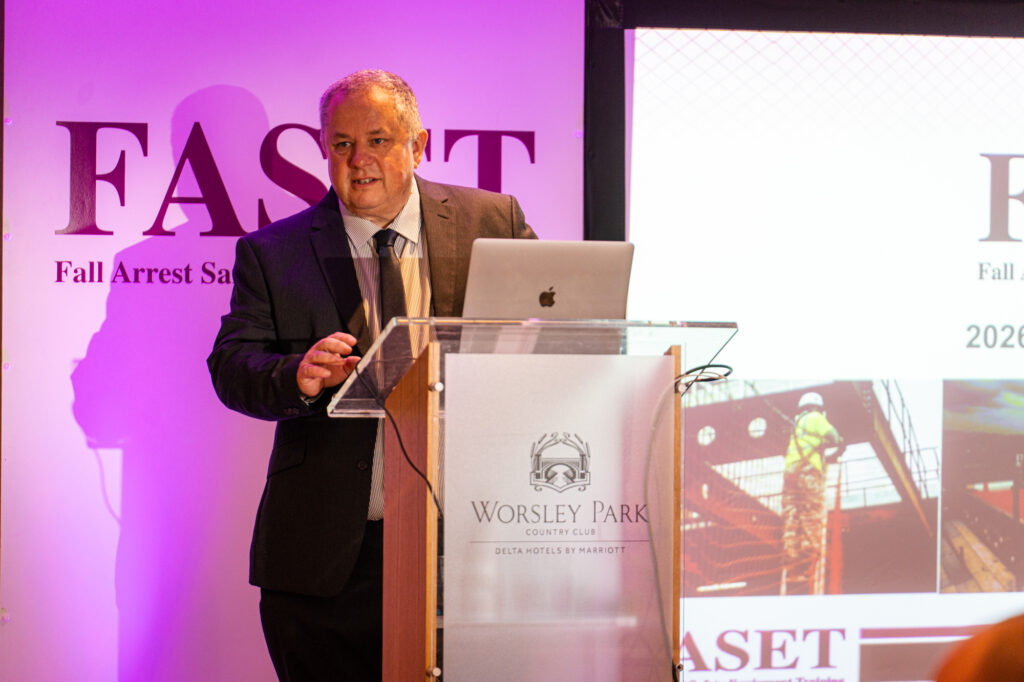
Tony said: “Our role is to help members stay ahead of changing expectations from principal contractors and across the industry. To do that well, we need to listen to the people doing the work and use their experience to shape what comes next.”
But preparing for the future also means understanding what happens on site today.
Quentin Emery, Principal Consultant at RyderMarsh Ocaid asked delegates to think about why people take shortcuts. If a safe system is slow or awkward to follow, a warning sign alone may not change behaviour. His challenge was to involve the people doing the job, listen to what gets in their way and make the safe way the easy way.
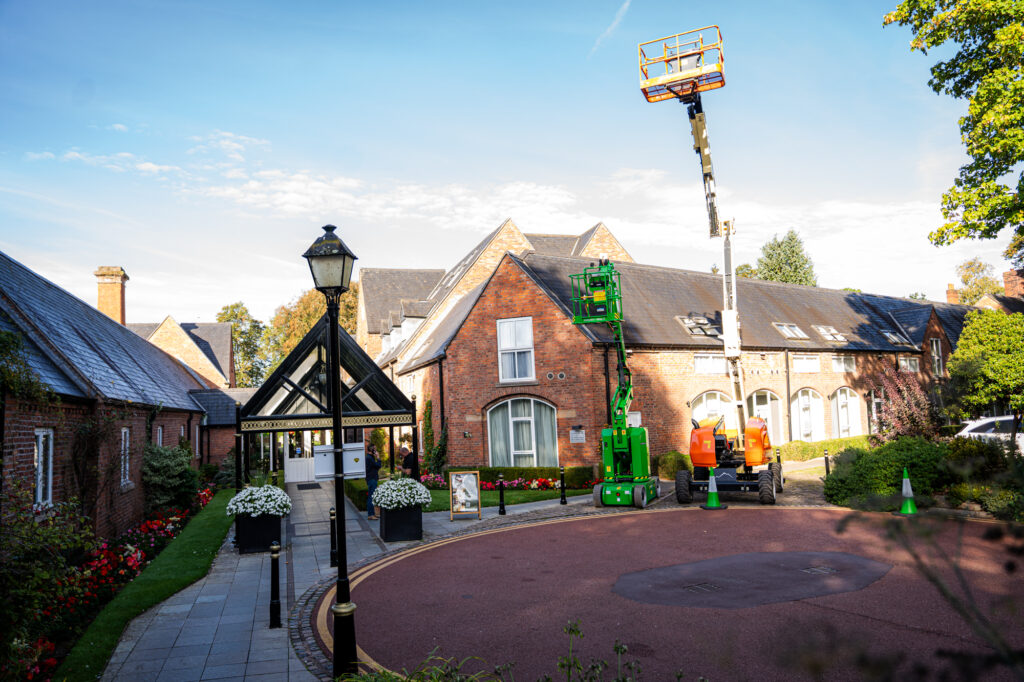
While Brian Parker, Head of Safety and Technical from the International Powered Access Federation (IPAF) brought that point into focus through powered access. He asked delegates to test their rescue plans against the machines and people actually on site. Can the ground controls be reached? Does someone know how to use them? Is there a way to communicate with an operator high above the ground? As he put it, a generic paragraph in a risk assessment is not a rescue plan.
He also encouraged businesses to use the updated BS 8460:2025 code of practice as a working tool for planning, checking competence and identifying hazards, including those created when additional devices are fitted to a machine.
Members then had their own opportunity to set the agenda. In smaller discussion groups, they explored how FASET can strengthen its profile with principal contractors, make better use of its technical guidance and respond to changing training needs. Their feedback will go to the Board to help shape what the Association does next as it looks ahead to its 25th anniversary in 2028.
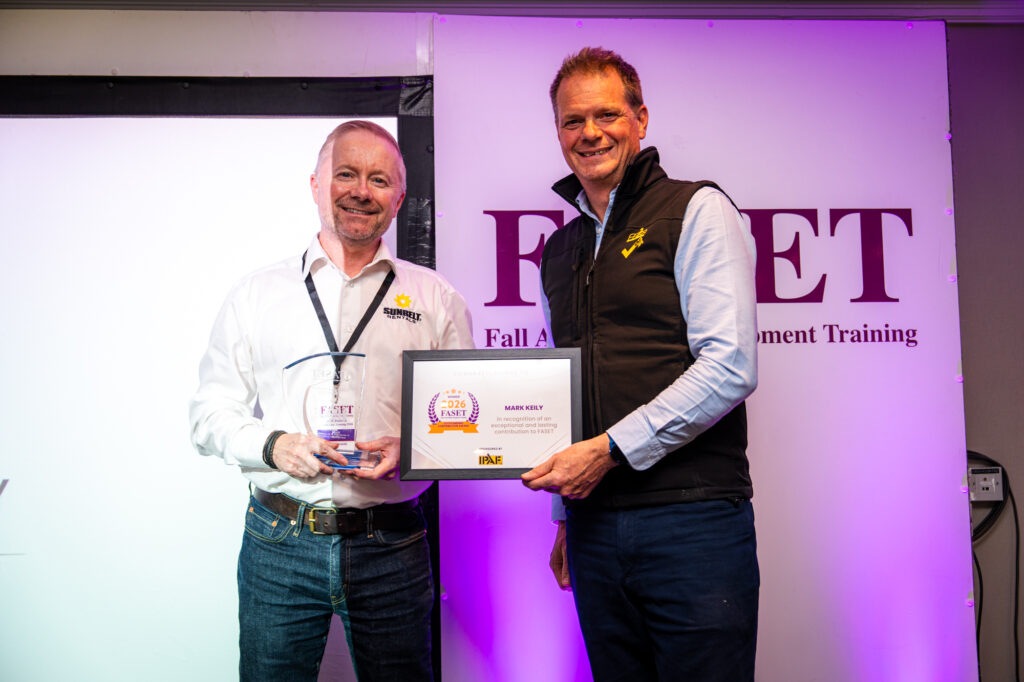
The day also recognised someone who has helped shape that work for more than two decades. Mark Keily, from Sunbelt Rentals, received FASET’s Outstanding Achievement Award, sponsored by IPAF, for his lasting contribution to the Association’s health, safety and technical work. Mark first became involved with FASET’s committees in 2003 and has continued to give his time and expertise ever since.
Tony Seddon said: "From rescue plans to member-led guidance, the day came back to one principle: people are safer when those setting the standards listen to those doing the work. That is the role FASET and its members will continue to play for the industry.
FASET is the trade association and training body for the safety netting and temporary safety systems industry. To find out more about its training, guidance and audited members, visit faset.org.uk.