
FASET is pleased to share the following industry update from IPAF, which should be of interest to our members and all those committed to working safely at height.
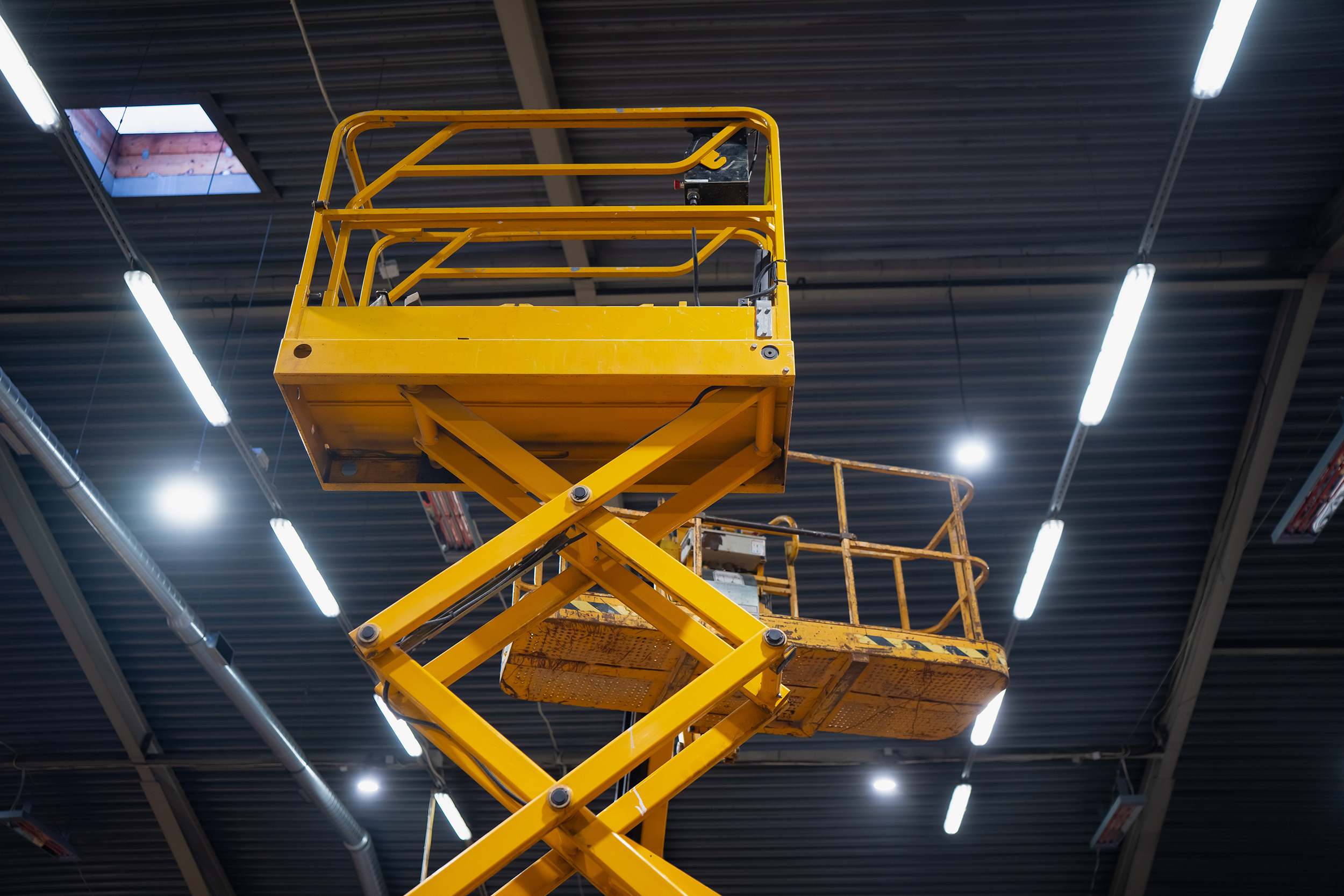
IPAF has issued a statement regarding secondary guarding systems for Mobile Elevating Work Platforms (MEWPs), particularly scissor lifts and 3A-type machines. The federation continues to support the prevention of crushing and entrapment incidents — a leading cause of serious injury and fatalities globally.
While recognising the potential benefits of emerging technologies, IPAF has clarified that it is not currently advocating the mandatory adoption of specific secondary guarding systems ahead of completion of the draft international ISO standard. The organisation also emphasises that no single secondary guarding system protects against all known entrapment scenarios.
Focus on Risk Assessment and Safe Planning
IPAF stresses that robust, task-specific risk assessment remains the most effective way to reduce harm. Proper planning, competent operation and supervision, and operator vigilance are identified as primary controls.
Emerging Contractor Requirements
IPAF is aware that some UK Tier 1 contractors may introduce secondary guarding requirements from January 2026. However, the federation notes that current approaches vary significantly, including:
- Differences in project specifications
- Inconsistent definitions of “secondary guarding”
- No universally recognised performance benchmark
- Potential conflicting requirements for rental companies and manufacturers
This lack of alignment can create uncertainty for duty-holders when determining what is reasonably practicable for a given task.
IPAF encourages early engagement between suppliers, contractors and clients to clarify expectations and ensure that site requirements are clearly linked to documented risk assessments and method statements.
Not a Stand-Alone Control
In line with UK HSE guidance, IPAF stresses that secondary guarding should not be viewed as a substitute for safe planning and competent supervision. Entrapment risk is influenced by a range of factors, including:
- Task design and sequencing
- Selection of the correct MEWP type
- Proximity to overhead structures or fixed plant
- Environmental and ground conditions
- Operator positioning and visibility
- Site supervision and exclusion zones
- Emergency rescue planning
Operators must remain vigilant, particularly when working close to structures, beneath overhead steelwork, or in congested areas.
Engineering Considerations
Secondary guarding and detection technologies interface with key machine safety systems such as platform controls, emergency stops, load sensing and descent functions. IPAF highlights that careful engineering, validation and inspection are essential to avoid introducing unintended hazards or system conflicts.
The federation believes internationally agreed standards will be critical in providing clarity and consistency for manufacturers, rental companies, contractors and trainers.